

OpenAI rolls out ChatGPT for Teens with NZ safety safeguards
Wed, 19th Aug 2026
OpenAI has begun rolling out ChatGPT for Teens in New Zealand, creating a new default experience for ChatGPT users identified as under 18.
The launch adds safety and learning features aimed at teenage users. The changes are intended to give younger users stronger protections, clearer limits, and more structured support for schoolwork.
Safety measures
The main changes include age-appropriate safeguards designed to reduce exposure to material that may be harmful or unsuitable for a user's stage of development. The measures are intended to preserve access to learning, creative work, and exploration while limiting inappropriate content.
The teen version also introduces what OpenAI described as healthier boundaries, including more frequent break reminders and clearer signals intended to reduce emotional dependence on the chatbot.
It also reinforces the need for teenagers to consult trusted people and seek support in the real world. That reflects broader scrutiny of how AI chatbots interact with younger users and whether long or emotionally intense exchanges can create unhealthy patterns of use.
Learning tools
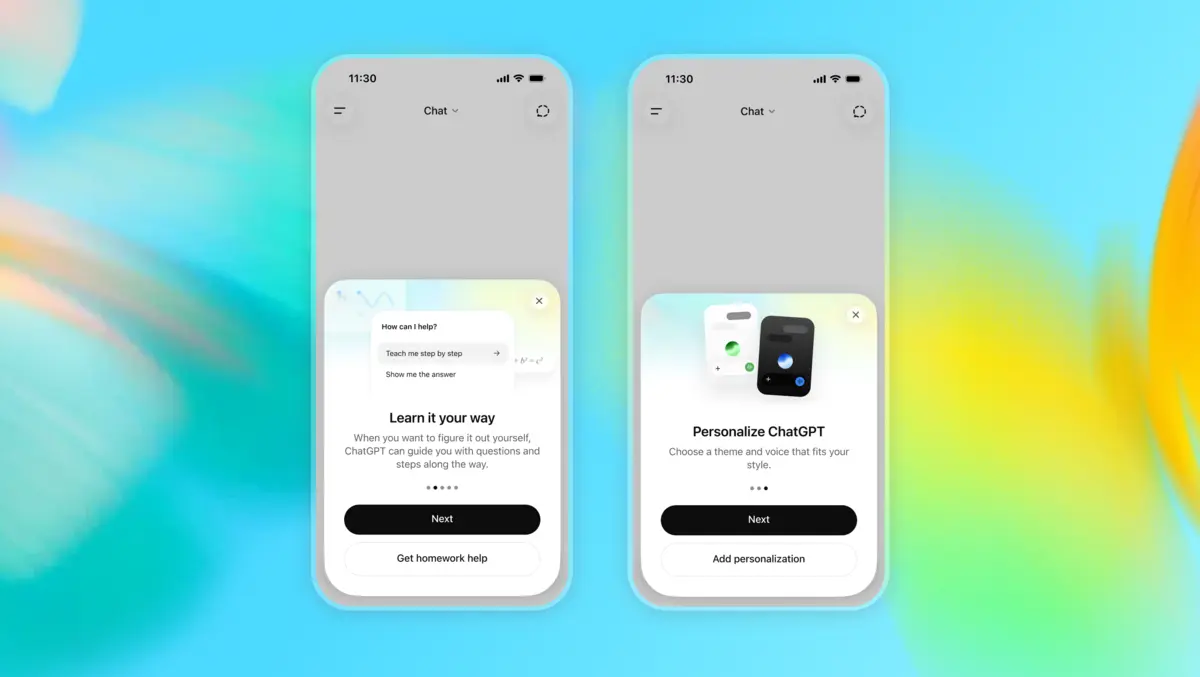
The rollout also focuses on education features. Study Mode is designed to guide teenagers through problems step by step rather than simply return an answer, while quizzes are included to test understanding.
Another feature, Study Hours, offers homework reminders aimed at helping teenagers and their families build more deliberate study routines. OpenAI is positioning the changes around structured use of AI for school-related tasks as concerns grow about students relying too heavily on chatbots for completed work.
By making the experience the default for users it identifies as under 18, OpenAI is building age-based design directly into ChatGPT rather than treating it as an optional setting. That approach places user age identification at the centre of how the service is configured for younger audiences.
New Zealand is among the first markets named in the rollout. The move signals OpenAI's effort to tailor ChatGPT for a teenage audience as regulators, educators, and families press technology companies to show how generative AI tools can be used safely by minors.
The announcement comes as AI companies face growing questions about content moderation, student use, screen time, and the psychological effects of conversational systems. Products aimed at children and teenagers have drawn particular attention because they can blur the line between educational support, entertainment, and social interaction.
For schools and parents, prompts to take breaks and seek help from trusted people may be as significant as the academic tools. Developers of AI assistants have increasingly had to show they can set limits on how younger users engage with systems designed to respond in natural language and sustain extended conversations.
OpenAI said ChatGPT for Teens is designed to help young people think critically, deepen understanding, and use AI with confidence. It described the package as an enhanced set of teen safety and learning features for under-18 users.