Deepfakes stories
Many parents are unsure their children can tell AI-generated fakes from real content, with concerns also rising over grooming and sextortion.
Companies serving EU users face new disclosure duties from 2 August, as Brussels keeps transparency rules on schedule despite delaying tougher AI obligations.
European firms face mounting AI compliance pressure as ISACA plans a Munich conference to address governance, cyber resilience and digital trust.
Attacks are increasingly concentrating on a handful of familiar brands, with Microsoft alone accounting for 23% of phishing attempts in Q2 2026.
Businesses using AI face growing pressure to prove answers are accurate and authorised, as Mithra AI adds cryptographic checks to enterprise data.
AI-driven phishing and state-linked espionage are pushing Asia-Pacific incident numbers higher, with data breaches still the biggest threat.
Police across 11 Asia-Pacific countries are being trained to trace crypto flows faster as scam compounds adapt and cross-border fraud grows.
Demand for digital identity checks is rising as fraud and compliance risks mount, with the merged group spanning more than 50 countries.
Access to ChatGPT and GPT-5.6 is being tightened for some accounts as OpenAI moves to hardware-backed passkeys amid rising phishing risk.
Customers can now buy KnowBe4's security tools through AWS Marketplace, speeding deployment as firms race to protect employees and AI agents.
Defenders face shorter patching windows as Check Point says AI can now turn new flaws into working exploits within hours.
Security teams face faster, harder-to-trace intrusions as AI is now being used to write attack code and run deception during breaches.
The ranking reinforces Incode's pitch to banks and platforms seeking faster checks as deepfakes and synthetic identities raise fraud risk.
More than a third of UK parents say children are using AI for conversation or emotional support, raising fears over online safety.
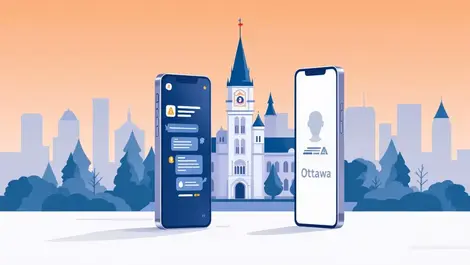
Canadians could soon get clearer warnings on chatbots and synthetic content as Ottawa weighs rules to track serious AI incidents and agentic tools.
Banks now face a capped GBP £85,000 reimbursement bill per claim as synthetic identity fraud turns into a direct liability under tighter UK rules.
Interest in synthetic audio is shifting into politics as Trump's voice draws 46,770 annual searches and deepfake concerns grow.
Employers are being urged to make AI literacy and cyber safety core training, as young workers face a tighter labour market and rising online threats.
As AI spreads through core business functions, executives warn weak oversight could expose firms to deepfakes, fraud and costly incidents.
Uneven fibre rollouts and rising AI risks are pushing enterprises to seek partners that can stitch together local needs across Europe.