

Google rolls out fake call detection on Android phones
Fri, 5th Jun 2026.webp)
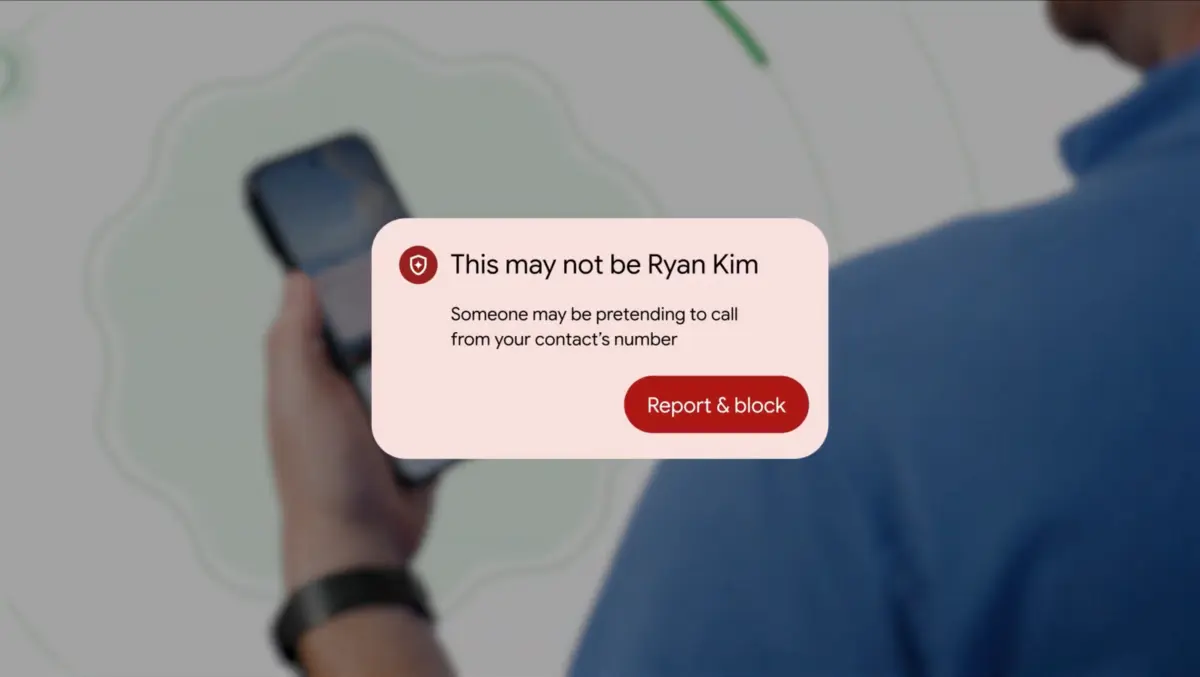
Google has launched fake call detection in Phone by Google for Android devices. The feature is designed to identify suspected spoofed calls from known contacts.
The rollout begins globally on devices running Android 12 and later, starting with Pixel handsets. Samsung devices will receive the feature natively at a later stage.
The launch comes as phone scams continue to rise, with impersonation fraud becoming a major source of losses for consumers and businesses. Google cited INTERPOL's Global Financial Fraud Threat Assessment, which described impersonation fraud as a leading contributor to more than USD $400 billion in global losses, as well as US Federal Trade Commission data showing USD $2.95 billion in losses from impersonation scams in 2024.
Caller ID has long served as a basic signal of trust, but spoofing tools have made it easier for scammers to make calls appear to come from a familiar number. The problem has become more acute as AI voice tools enable fraudsters to imitate family members, employers, or officials with increasing realism.
How it works
The new system is enabled by default and runs in the background. When a saved contact calls, the caller's device sends a silent verification signal to the recipient's phone to confirm that the call is genuinely coming from that contact's device.
If that verification does not arrive or cannot be recognised, the call is flagged as a possible impersonation attempt. The recipient then sees an on-screen warning advising them to hang up.
The process is built on Rich Communication Services, or RCS, and uses end-to-end encryption. Verification happens directly between devices, and no third party, including Google, can view it.
Users can turn the feature off in the dialler settings if they do not want it enabled.
Open standard
Google also presented its use of RCS as a way to make the system available beyond its own hardware and apps. Because RCS is an open standard, other device makers and app developers could choose to adopt the same approach.
That matters in a market where anti-scam protections are often fragmented across networks, apps, and operating systems. A verification method that works across more than one manufacturer could make spoofing attacks harder to scale, particularly when scammers rely on familiar contact names and numbers to build trust.
The announcement also shows how mobile platform providers are responding to a shift in scam tactics. As more users ignore unknown numbers, fraudsters have increasingly turned to impersonating trusted contacts rather than cold-calling from unfamiliar lines.
Google said scammers commonly combine number spoofing with AI-generated voice cloning to create a more convincing deception. In a typical case, a caller may appear on screen as a relative or colleague while using software to mimic that person's voice and claim an urgent need for money.
Broader push
The new tool sits alongside several anti-fraud measures Google highlighted as part of its wider security efforts. These include support for STIR/SHAKEN caller authentication in some markets, verified business messaging through RCS for Business, and a planned verified financial calls feature in Android 17.
The focus on call verification reflects the limits of older safeguards. Network-level authentication can help validate whether a call originated from an authorised source, but it does not always protect users when scammers exploit internet-based calling tools or impersonate people already stored in a user's contacts list.
By tying verification to the device of a known contact, Google is adding another check at the moment a call is received. That approach targets one of the more psychologically effective forms of fraud, in which the victim believes they are speaking to someone they know and trusts what they hear.
Singapore is one example of why such measures are drawing attention. Phone calls were among the main methods used by scammers in the country last year, according to information released alongside the launch.
The feature is initially arriving through Phone by Google on supported devices running Android 12 and newer, starting with Pixel. Samsung is expected to integrate it natively later, extending the system's reach across a broader share of the Android market.
Google said: "Security shouldn't be limited to just one type of phone or app. We want to raise the bar across the industry to help protect as many users as possible."