

DroneShield launches portable RF intelligence device
Mon, 10th Aug 2026
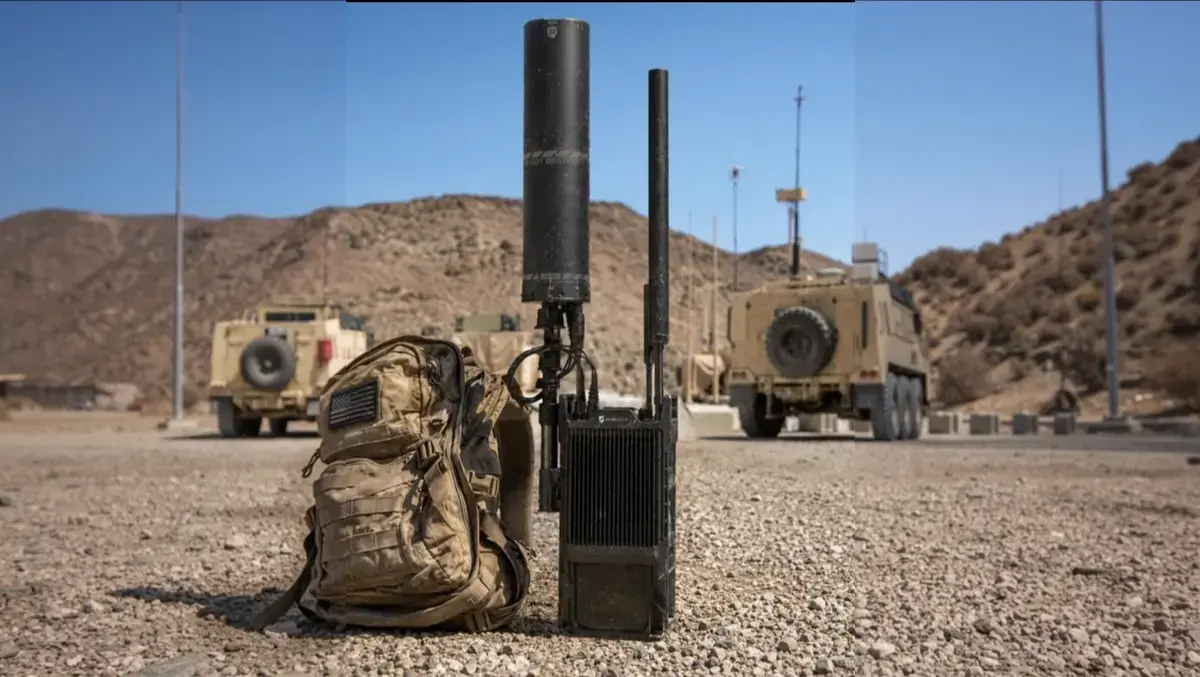
DroneShield has launched RfRecon, a portable radio frequency intelligence device designed for defence, government and security users.
The handheld system is intended to let operators sense, identify, locate and assess radio frequency activity from a single unit. It combines ultra-wideband spectrum awareness, precision direction finding and signal intelligence based on the company's RfAI-3 architecture.
The launch adds a new product to DroneShield's counter-drone portfolio as armed forces and security agencies place greater emphasis on the electromagnetic spectrum. Demand has risen as uncrewed systems, electronic warfare tools and wireless communications create a more crowded and complex operating environment.
RfRecon is built for a range of operating conditions, including use by personnel on foot, from vehicles, on expeditionary deployments and at fixed sites. The device is intended to give frontline operators access to radio frequency intelligence directly in the field rather than relying only on remote systems.
DroneShield described the device as its flagship product in a new generation of counter-drone systems. It is intended to move users beyond raw spectrum collection by helping them interpret the significance of detected activity in an operational setting.
Chief Executive Officer and Managing Director Angus Bean linked the launch to shifts in modern warfare and surveillance.
"The electromagnetic spectrum has become one of the most important sources of operational intelligence on the modern battlefield, but collecting data is no longer enough. The teams that gain the greatest advantage will be those that can rapidly understand what they are seeing and confidently act on it. RfRecon reflects that shift by bringing RF intelligence directly to the tactical edge," Bean said.
System links
RfRecon is designed to fit into broader defence and security networks rather than operate as a standalone tool. The system supports industry-standard data transfer and an open architecture, allowing it to connect with existing software and sensor platforms already used by customers.
Among the platforms named by DroneShield is ATAK, along with third-party command-and-control systems and other sensor technologies. That interoperability matters in defence procurement, where agencies often seek to add new equipment without replacing wider command systems.
The company also said RfRecon can sit within layered counter-UAS structures that include other forms of drone detection, cyber takeover and kinetic defeat. This positions the system as part of a wider anti-drone architecture rather than as a single-purpose detector.
Market outlook
Initial market engagement has begun with qualified defence, government and security customers around the world, according to DroneShield. Any orders and related revenue will depend on procurement timelines, with potential contributions beginning in the second half of 2026.
DroneShield did not put a value on expected sales from the new device, but said revenue from the product could become material over time as demand for counter-drone tools grows. Defence buying cycles are often long, particularly for systems that require testing, certification and integration into existing command structures.
RfRecon follows several years of research and development. It is built on the RfAI-3 intelligence architecture that DroneShield recently introduced as a base for interpreting radio frequency activity.
The launch comes as counter-drone suppliers compete to offer more mobile and integrated systems to military and security customers. Fixed-site equipment has made up a large part of the market, but portable and vehicle-mounted tools are drawing interest as forces look for ways to monitor and respond to threats closer to the frontline.
DroneShield said the device will also receive updates through its software and services subscription programme, giving customers access to future improvements in radio frequency intelligence over time.
For customers, that means the value of such systems may depend not only on the hardware but also on the quality and frequency of software updates, threat libraries and signal analysis tools. In markets shaped by rapidly changing drone and communications technologies, vendors are increasingly judged on how quickly they can adapt systems after deployment.
DroneShield sells counter-drone and defence systems to military, government, law enforcement, critical infrastructure and commercial users. RfRecon is intended to extend radio frequency intelligence from operators in the field to command-and-control systems used across larger defence and security organisations.
"The teams that gain the greatest advantage will be those that can rapidly understand what they are seeing and confidently act on it," Bean said.