Observability stories
Governance gaps are leaving most organisations exposed as AI traffic surges and networks struggle to keep pace with machine-speed demands.
Outages are detected quickly in Australia and New Zealand, but fragmented monitoring leaves teams slower to restore services across APAC.
With Fortune 500 firms expected to deploy vast armies of agents, the alliance aims to curb access risks as AI tools spread across business systems.
Demand for vendor-neutral search software is accelerating as OpenSearch passes 2.4 billion downloads and widens its support ecosystem.
Technology leaders are prioritising vendor-neutral AI systems as 83% of organisations run or plan AI workloads, a survey found.
Machine-generated traffic is driving up costs and security risks as Fastly adds controls for AI systems now moving into production.
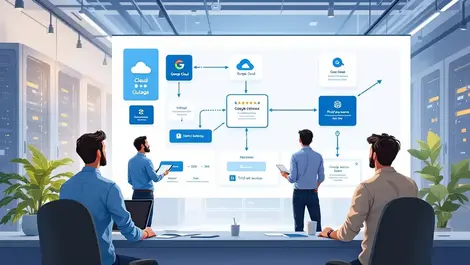
Customers can use the six-step workflow to tell whether an outage stems from Google, their own systems or a third-party service.
Administrators now have tighter oversight as GitLab 19.4 expands AI agent controls, model choice and usage visibility across teams.
Existing customers can access AI-driven troubleshooting without a higher base price, as Riverbed bundles new observability tools into Network 360.
Engineering teams face a governance gap as AI agents begin handling production changes, prompting tighter controls over access, audits and permissions.
Meeting room faults can now be spotted before staff notice them, as IPTel folds Cisco Webex devices into its Highlight monitoring platform.
Australian firms could face faster breaches as model-driven attackers shrink exploit times to hours, making containment and zero trust vital.
User behaviour remains IT's biggest vulnerability, with 65% of professionals saying password sharing is the worst security lapse.
Businesses pushing AI into production need more reliable cloud operations, and FPT says its latest AWS badge strengthens that support.
Enterprises running PostgreSQL on servers can now automate failover, backups and scaling on-premises as Google broadens AlloyDB Omni support.
The grants will fund tools to ease eBPF debugging and improve cloud isolation, as academic interest in Linux systems research grows.
As staff hand more tasks to AI agents, firms need audit trails and policy controls to stop unauthorised access and risky data moves.
APIs are now a major attack surface, making shared context between developers and SecOps vital to spot real threats and avoid false alarms.
Fans saw fewer buffering delays as Airtel and Google Cloud kept 99.9% of IPL 2026 traffic within India and p99 latency under 300 milliseconds.
Businesses can now trace runaway AI bills to the agents and workflows causing them, as Geordie opens its Cost Intelligence tool to customers.