Gartner stories
A mix of local and global systems could shield New Zealand services from cyberattacks and natural hazards while preserving control over critical data.
Most data programmes fail on culture, not code, with 93.2% of senior executives citing change management as the main barrier to adoption.
Gartner says Fortune 500 firms could run 150,000 AI agents by 2028, raising the risk of overprivileged machine identities.
AI annual recurring revenue climbed to USD $362 million in the second quarter, as NiCE won a top Gartner ranking in cloud contact centre software.
The ranking bolsters Bizzdesign's pitch to buyers seeking tighter oversight of AI governance and transformation planning across complex organisations.
Gartner says 69% of organisations suspect staff are using banned AI tools, raising the risk of security or compliance incidents by 2030.
Security leaders are being given a way to judge whether AI agents and staff can handle cyber tasks safely as adoption speeds up.
Businesses are being pushed to rework cloud estates faster, as InfrOS says AI-optimised infrastructure spending will climb 96% to USD $42 billion in 2026.
Shadow AI is driving higher breach and compliance risks, with exposed firms incurring around $670,000 more in data-breach costs.
Backers are betting that enterprise AI oversight will need sharper tools, as the security software company brings total funding to USD $140 million.
Concerns over control and compliance are driving uptake as DXC says its AI operations platform already serves 67 customers and is scaling to 125 environments.
Teams can save time on tickets, incident summaries and cloud cost checks, but production changes still need named human approval.
Finance chiefs see AI as a risk-management issue first, with clean data and human oversight seen as essential to protect statements and audits.
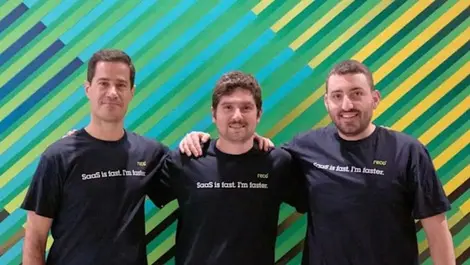
The deal lifts Reco's total funding to USD $140 million as enterprises race to govern AI agents linked to sensitive systems and data.
AI spending is forcing firms to rethink cloud setups faster, with InfrOS claiming its new tool tests changes before deployment and flags drift.
Regulated firms can now track shadow AI as RSA says Agent ID will help banks and public bodies assign owners and approvals to agents.
Enterprise users could cut manual fixes and hidden AI failures, as the new tool retunes live agents against business goals and guardrails.
The tie-up aims to fix a long-standing data gap in IT operations, giving service teams richer context to speed incident handling and cut risk.
Australian organisations are deploying autonomous AI agents faster than they are building the controls to govern them, Deloitte found.
Rising AI use is exposing a training gap in Singapore's finance sector, prompting a new exam to test when professionals should trust or verify output.