Environment stories
The Government has until 31 December to decide whether to adopt a plan that could cut GDP by 1.2% in 2050, or do less.
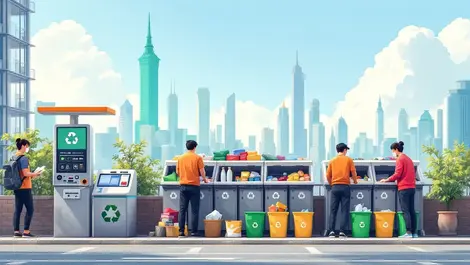
Facial recognition and reward points are being trialled to lift China’s recycling rate as waste volumes outpace the US by 2030.
Digital twin tools could help cut costly delays and emissions, as 90% of infrastructure projects are still late or over budget.
Wellington has cut net emissions by 7% in 20 years despite 26% growth, as EV chargers and car share schemes reshape transport.
Plastic waste could cost EU taxpayers or shoppers more as Brussels moves to levy EUR €0.80 per kilogramme on unrecycled packaging.
Establishing a carbon baseline gives firms a starting point to cut emissions, compare sites and plan against future climate targets.
Kenya’s building sector could cut landfill and emissions as Nzambi Matee turns non-recyclable plastic into bricks stronger than concrete.
Planning certainty may improve if the RMA is replaced, but businesses and councils fear new laws could still trigger costly litigation and delays.
Poorly planned tree planting could raise emissions and damage biodiversity unless projects protect existing forests and suit local conditions.
Up to 30 percent of Wellington’s drinking water is lost to leaks, prompting a unanimous council push for urgent infrastructure upgrades.
Public consultation begins on a draft plan that says faster action is needed if Aotearoa is to stay within its climate targets.
Plants could stop buffering a third of human emissions within 20 years, making climate change harder to slow as warming rises.
Climate pressures and city growth are pushing utilities to rethink costly central plants in favour of smaller systems that boost resilience.
A digital product database could trim consenting costs and lift New Zealand builders' productivity, with gains to GDP estimated at up to NZD $220 million.
Carbon-negative concrete could cut road-building emissions by as much as 70%, with one kilometre absorbing CO2 equal to 100,000 trees a year.
What if there was a way to extend the lifespan of products before they end up in landfill? Device repairability seems like a logical step.
A wave of companies are racing to reinvent themselves and use technology innovations to shape the new realities they face.
The nanoscale advance combines the core software needed to drive artificial intelligence with image-capturing hardware in a single electronic device.
Australia ranks high on the Digital Readiness Index but requires increased investment to ensure digital inclusivity and resilience, according to Cisco's study.
Australia's environment is at risk due to a lack of real-time monitoring. The new outcomes-based regulatory framework misses the mark without EIoT technology.