

The C-Suite Playbook: 11 Lessons for emerging tech leaders
Fri, 25th Sep 2026 (Today)
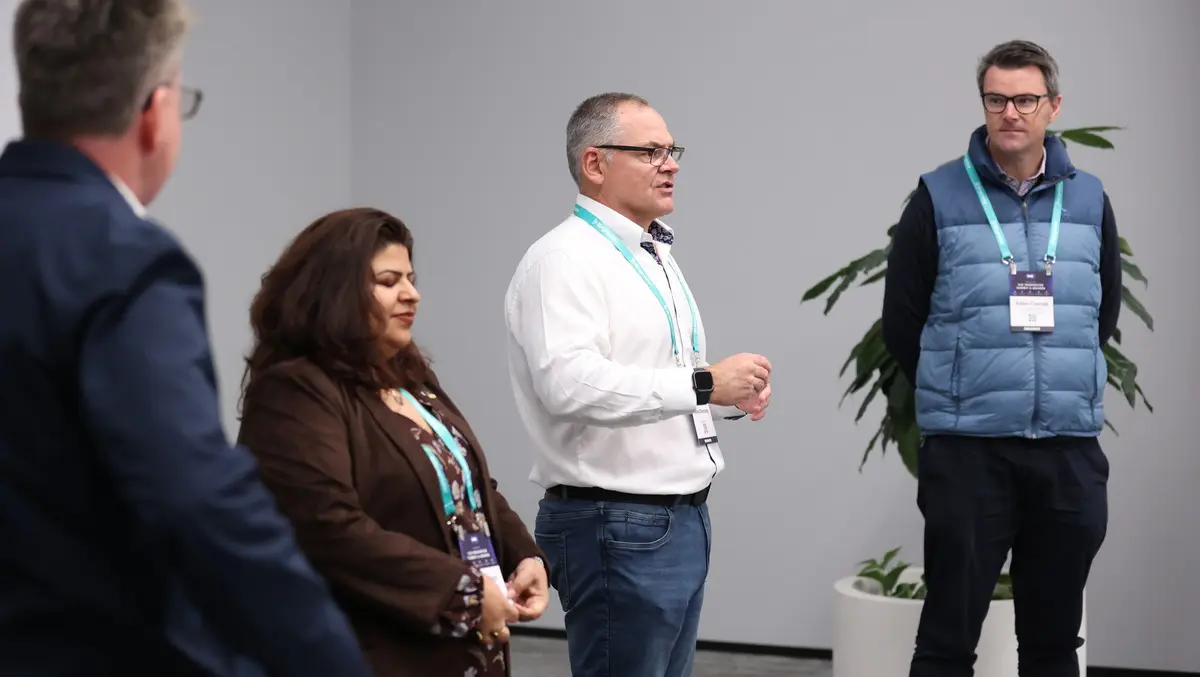
As part of the CIO Summit experience last month, the 3rd Emerging Leaders Forum offered a highly interactive 'safe space' where technology professionals were able to access practical advice on leadership techniques from those who have walked the path before them.
Facilitators:
- David Kennedy (River Guide for boards and executive teams, Former CIO and COO)
- Nancy Taneja (CIO, Toyota NZ),
- Brett Holland (CIO, Creative HQ)
- Adam Courtier (GM of Data and AI, 2degrees)
Four C-suite mentors hosted a candid Q&A followed by themed roundtables, covering everything from communication and storytelling to experimenting your way to outcomes. The Emerging Technology roundtable focused on AI, automation and keeping SaaS products relevant, while Legacy Modernisation explored the shift from simply upgrading systems to delivering business value. Change Management tackled the human side of transformation, including culture, engagement and alignment. The final roundtable focused on stepping into the C-suite, with advice on escaping professional pigeonholes and overcoming imposter syndrome.
Here are the key pieces of advice from the mentors:
- Career path: career journeys are rarely linear but try to ensure that every role you take makes sense on your CV - have consistent growth in mind rather than jumping randomly from role to role.
- Storytelling: Practise public speaking and hone your ability to tell your story in different ways to different audiences. When addressing C-suite management, present your ideas in the context of one of the four value buckets that will resonate - increasing revenue, decreasing cost, reducing risk, or opening a new revenue stream.
- Personal brand: think of yourself as a brand and build your own "Board" of advisors with a mix of risk appetites - you don't have to navigate your career alone.
- Self-improvement: treat observation as a superpower and keep an open mind about learning from others - anyone can be a mentor if you watch how they operate closely enough. Deliberately work on a known weakness, such as resilience, until it becomes a strength.
- Handling setbacks: they are part of the journey. Develop a mechanism to handle setbacks that works for you. The important thing is to treat them as temporary and bounce back - don't let yourself wallow.
Learn to manage pushback: ignore the "straight faces" - not everyone will support you - and stay laser-focused on your outcome.
- Weigh your words carefully: as you climb the management ladder, pause and consider before responding - senior-level voices carry more weight and initial responses stick.
- Let go of the detail: as you rise, learn to trust your team. Let them make and learn from mistakes, and use "risk" as the common language for communicating up and down the organisation.
- Driving change: apply founder-style "possibility-making" - assess your means and relationships, run small experiments, and build trust and risk appetite incrementally rather than over-planning.
- Wellbeing: develop habits that create headspace as the pace and pressure of your roles increase - meditation, for example, is an efficient, effective way to refresh the mind and reduce stress.
- Failure is only a lesson learned: understand risk management and learn to manage failure and what it teaches.
This is just one brief section of the thought leadership shared by New Zealand's tech leaders at the summit. Download the full report to explore the conversations, insights and key themes shaping the future of technology leadership in Aotearoa New Zealand.