


Netsafe has launched a nationwide online programme focused on digital safety in New Zealand, following research showing many young people are seeking personal advice from artificial intelligence.
Its latest survey found a gap between young people and the adults around them in online experience and emotional support. According to the findings, 30% of young New Zealanders said they had turned to AI for personal advice because they feared adults in their lives did not understand the digital spaces they used.
The programme includes webinars and panel discussions on online scams, digital abuse, gaming, misinformation, youth wellbeing and artificial intelligence. Sessions are aimed at parents, educators, businesses, community organisations, policymakers, youth workers and people who manage online communities.
Participants include representatives from Roblox, One New Zealand, Snap, the University of Canterbury, Massey University, Spark, Trend Life, the Mental Health Foundation, Burnett Foundation Aotearoa and Safe Space Alliance. TikTok and Meta are also supporting the programme.
The range of topics reflects the spread of online harms and pressures affecting daily life. Several sessions are designed for parents and caregivers, while others focus on public leadership, youth culture, fraud prevention and inclusion for rainbow communities.
One session, Scamscape Aotearoa, examines current fraud methods and consumer protection. Another, AI and Online Safety in Aotearoa, explores how artificial intelligence is changing online activity and the risks that come with it.
Other events include Raising Safe and Resilient Kids Online, which offers guidance for parents on gaming, social media, AI and digital wellbeing, and Young Changemakers of Aotearoa, which highlights young people involved in positive online projects. A separate discussion, Free to Lead Online, addresses online abuse directed at women in public life and leadership roles.
The programme also explores the digital subcultures shaping young people's beliefs and identities. A session titled From the Manosphere to Dark Romance is intended to help parents and educators understand the online communities influencing relationships and behaviour.
Another discussion, Safer Spaces for Rainbow Communities Online, focuses on inclusion and safety for rainbow communities. Holding the Line examines the demands of moderating online communities while protecting wellbeing and social cohesion.
Research gap
The survey points to a wider challenge for families, schools and community groups trying to keep pace with rapidly changing online behaviour. As new tools and platforms become part of young people's daily routines, adults often struggle to match their knowledge of those environments.
That gap has commercial, social and personal implications. Technology companies, telecoms providers, educational institutions and public agencies are under growing pressure to respond to fraud, misinformation, harmful content and the effects of digital culture on mental health.
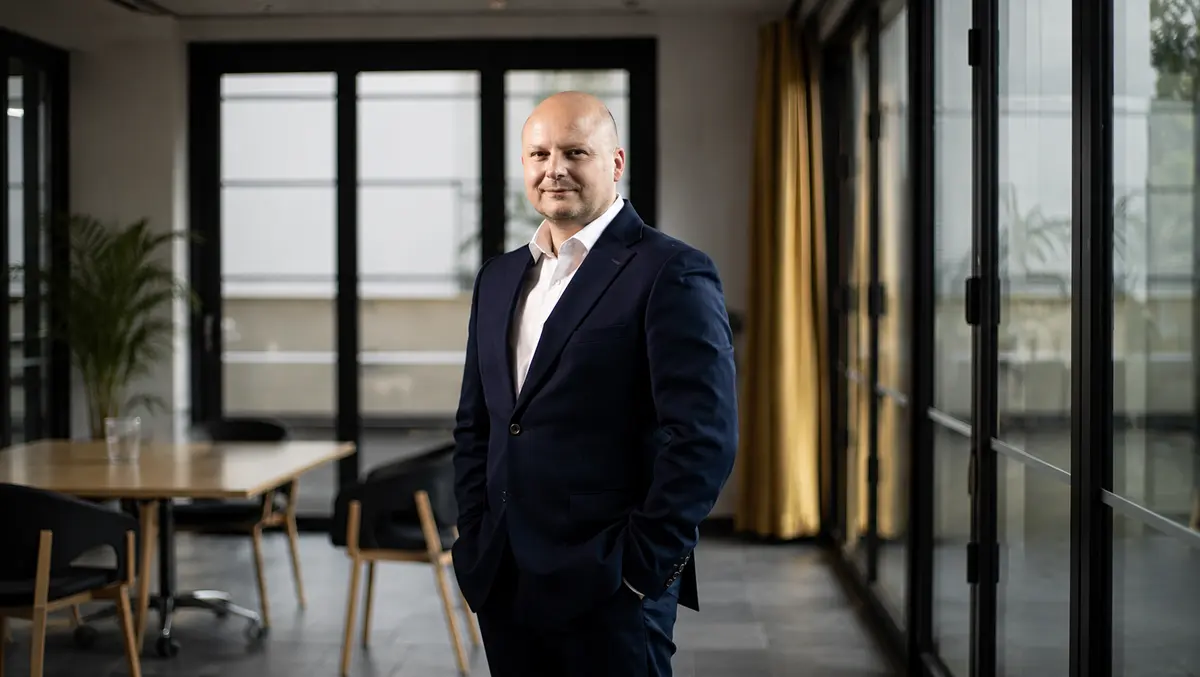
Brent Carey, Chief Executive of Netsafe, said online safety now touched every part of society.
"Every New Zealander spends part of their life online. Whether we're parents, employers, teachers, community leaders, young people or simply internet users, we all have a role to play in creating safer digital spaces.
"The online world is changing faster than ever. AI is transforming how we learn and communicate, scammers are becoming more sophisticated, and young people are navigating digital experiences previous generations never encountered. Netsafety Week is about bringing together the people, ideas and practical tools that can help New Zealand respond together."
Practical focus
The programme is structured around practical advice rather than simple warnings about online risks. The emphasis is on giving participants information and strategies they can use in day-to-day situations.
That approach reflects a broader shift in digital safety policy, as organisations try to balance concern about online harm with the reality that people rely on connected services for communication, learning, entertainment and work. For many households, the challenge is less about limiting online activity than understanding it.
Carey said the goal was to make people feel more prepared rather than more fearful.
"People don't need more reasons to feel anxious about technology. They need practical advice, trusted information and confidence to navigate an increasingly connected world.
"Our goal is for everyone who joins Netsafety Week to leave with a better understanding of today's online challenges and, more importantly, practical actions they can take to help themselves, their whānau and their communities."
The finding that nearly a third of young people have sought personal advice from AI underlines the pace of that change. It suggests that for some younger users, digital tools are filling a gap once occupied by parents, teachers or other trusted adults.
For organisations working in online safety, that raises questions not only about harmful content and scams, but also about trust, communication and the role of AI in everyday decision-making. The breadth of the programme shows how widely those concerns now extend across New Zealand society.