

Motorola to buy D-Fend Solutions for USD $1.5 billion
Tue, 2nd Jun 2026
Motorola Solutions has agreed to acquire counter-drone specialist D-Fend Solutions for USD $1.5 billion.
The deal adds a company whose systems have been deployed in more than 30 countries.
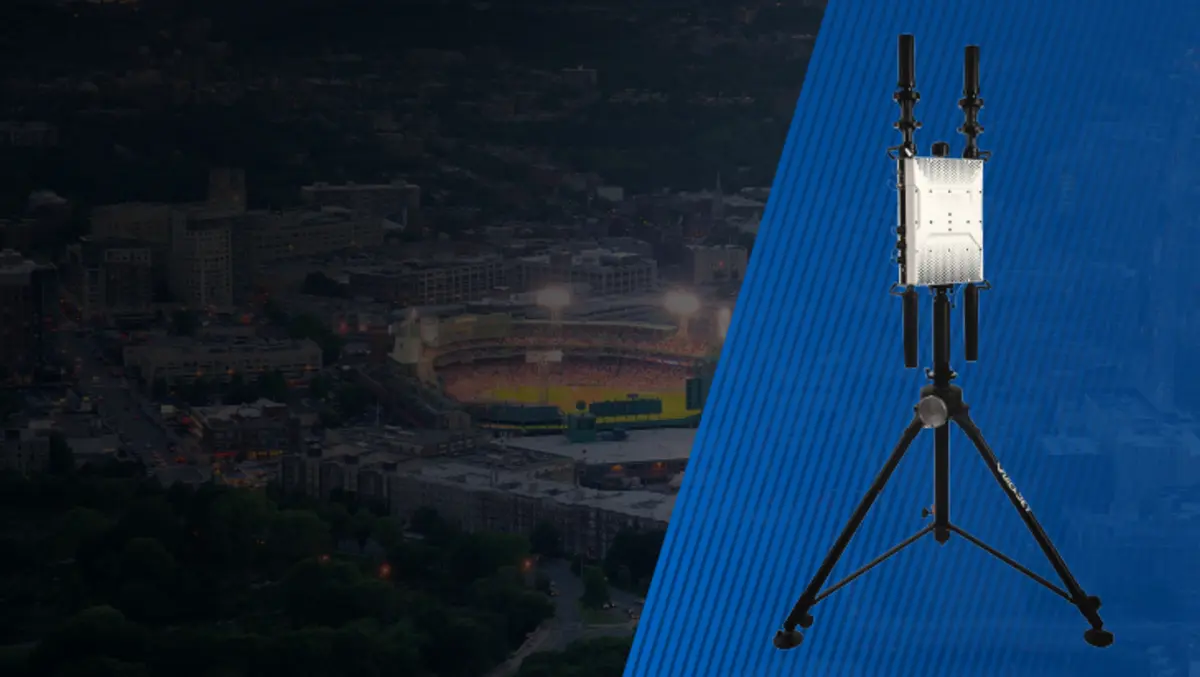
D-Fend develops technology that detects, takes control of and removes unauthorised drones from protected airspace without disrupting approved drone operations in the same area. The acquisition expands Motorola's position in security technology as demand grows for tools that can respond to drone-related threats faced by police, government agencies and other organisations.
The transaction comes as regulators in some markets broaden the circumstances in which authorities can act against drones considered a public safety risk. In the United States, recent legislation has authorised trained and certified state and local law enforcement to detect, track and, where permitted, mitigate such threats.
That shift reflects a broader change in how consumer and commercial drones are used. While drones are widely adopted for legitimate tasks, they are also increasingly involved in malicious activity, putting pressure on security operators to stop rogue devices without shutting down wider airspace or interrupting approved flights.
Market expansion
D-Fend says its approach allows operators to isolate an unauthorised drone and remove it from the airspace while maintaining continuity for authorised drones carrying out assigned work. Its systems are already used by government, public safety and commercial customers, according to Motorola.
The Israeli company has recorded annual revenue growth of more than 50 per cent over the past three years and is expected to generate USD $185 million in revenue this year. Those figures help explain the valuation Motorola has attached to a business in a market drawing increased investor and customer attention as drone use becomes more common.
For Motorola, the agreement fits a broader strategy to build out its portfolio across public safety and security. The company is best known for communications equipment and software used by emergency services, but it has expanded into video security, command centre software and related systems aimed at government and enterprise buyers.
Adding a counter-drone business gives Motorola another offering for customers seeking more integrated responses to physical and digital threats. It also places the company more directly in a segment that has grown as airports, prisons, military sites, public venues and critical infrastructure operators look for ways to manage airspace risks.
Executive comments
Greg Brown, Chairman and Chief Executive Officer of Motorola Solutions, pointed to the changing threat landscape in outlining the rationale for the acquisition.
"Rogue drones have transformed our skies into a landscape of unpredictable risk, where simple detection is no longer enough. With D-Fend, drone threats are not just identified, their communications are overridden and redirected, safely bringing them to the ground, keeping people and communities safe," said Brown.
D-Fend's leadership said the deal would give the company access to Motorola's customer base across public safety, federal and commercial markets.
"Joining Motorola Solutions allows us to accelerate our mission of securing the skies. By leveraging Motorola Solutions' deep expertise and long-term customer relationships across public safety, federal and enterprise, we can deliver even greater impact to the communities and organisations we serve," said Zohar Halachmi, Chief Executive Officer of D-Fend Solutions.
Next steps
The acquisition remains subject to regulatory approvals and customary closing conditions. Motorola expects the transaction to close in the fourth quarter.
D-Fend enters the group with a footprint that already spans thousands of deployments, underlining how quickly counter-drone systems have moved from niche tools to a more established part of the security market.