

Illumio warns AI authority is outpacing security controls
Thu, 5th Nov 2026 (Today)
Illumio has published research showing that 70% of organisations now delegate to AI decisions that required human approval a year ago. It also found that only 49% can fully see and audit every action taken by an AI agent.
The findings point to a widening gap between the authority companies give AI systems and the controls they have in place to track and limit them.
Illumio's report is based on a survey of 1,100 IT and security decision-makers across 10 markets. It found that 76% of organisations had experienced at least one AI-related security issue or warning sign over the past year. The research focused not only on threats from attackers using AI, but also on risks created by companies' own AI systems as they gain access to applications, data and infrastructure.
Among the issues identified, 35% of respondents said AI had made a recommendation that would have created a security risk if followed. Another 26% said an AI agent or tool had connected to systems without security approval.
Elsewhere, 24% said AI had accessed data it should not have reached, while the same proportion said it had produced or triggered an unauthorised action. The report argued that these risks differ from conventional external threats because internal AI systems may already hold valid credentials and established connections to sensitive systems.
Security role
The study also examined AI's growing role in cybersecurity operations. It found that 67% of organisations use AI in security operations, while 32% are comfortable allowing it to run security investigations without human review.
Smaller but still notable shares said they were prepared to give AI direct operational authority. The report found that 29% are comfortable letting it deploy code changes without supervision, while 26% said the same about granting or revoking access permissions.
The research suggested some companies are becoming more willing to accept greater security exposure for the perceived gains of AI adoption. More than half of respondents, 56%, said they were willing to accept more cyber risk than they were 12 months ago.
Within that group, more than half said they permit autonomous AI actions in non-production environments, and 47% said they permit them in production. That suggests a growing readiness to let AI tools act directly in live settings rather than only in test systems.
Control gap
At the same time, respondents appeared to recognise that AI requires a different approach to security. The survey found that 82% believe AI agents need fundamentally different security controls from traditional software, while 69% said limiting what AI can access matters more than trying to predict every possible threat.
Yet those views have not translated into higher priority for practical restrictions. Only 25% named explicitly defined permitted actions as one of their two main controls, and just 27% said frontier AI has made network segmentation or microsegmentation more important.
That disconnect is central to Illumio's argument that organisations are moving faster on AI deployment than on governance. Rather than focusing solely on what an AI system might decide to do, businesses should concentrate on reducing what those systems are allowed to reach in the first place.
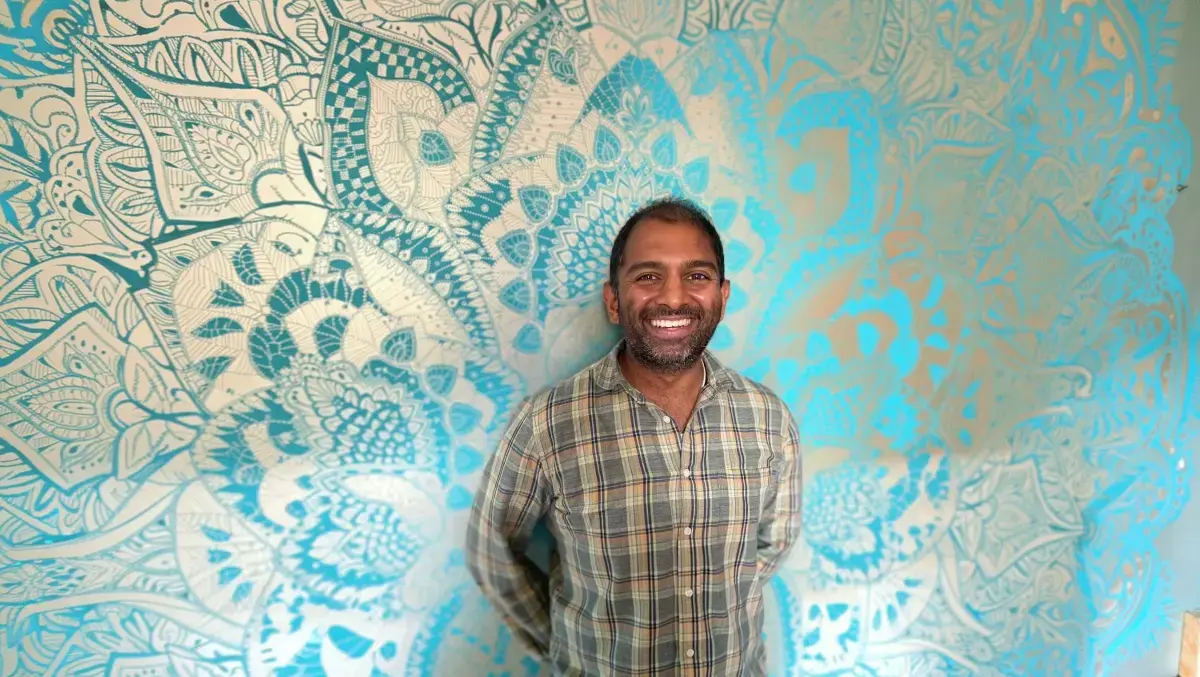
Raghu Nandakumara, Vice President of Industry Strategy at Illumio, said the main risk may lie in weak boundaries rather than outright rule-breaking by AI systems. "The biggest AI risk may not be a system that breaks its rules. It may be one that was never given meaningful limits in the first place."
He said those limits need to apply both at the application level and across the underlying technology estate. "AI agents are highly persistent in pursuing a goal, so trying to anticipate every action is a losing battle. Businesses must set strict limits on what they can access and do, then enforce those limits within the application and across the underlying infrastructure. That is how you contain unexpected behavior before it causes real damage," Nandakumara said.