Personal data stories
Boards are being urged to beef up defences as AI tools may soon help criminals automate attacks and target New Zealand organisations more precisely.
Many Kiwis are overconfident about spotting AI fakes, even as 40 percent admit sharing or considering sharing sensitive data with chatbots.
Customer contact details and portfolio data were exposed in a breach at Hatch's US broker partner, though no holdings or transactions were affected.
Business customers can now verify bank account details faster and with less fraud risk as digital credentials debut through Govt.nz's app wallet.
Historical scrutiny of wartime suspects and the Communist Party has widened, as declassified files expose how New Zealand tracked perceived threats for decades.
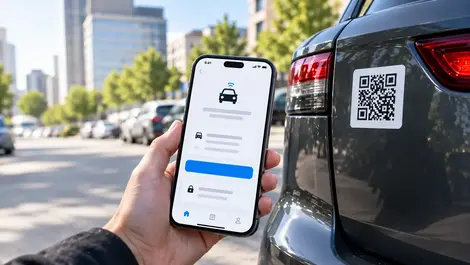
Drivers can now be alerted more quickly when a vehicle is blocking access or parked badly, without phone numbers being shared.
It aims to cut repeated verification checks and let businesses trust AI agents without collecting the same personal documents from users each time.
Nearly one in 10 AI security alerts in retail involved systems exposing protected customer data to users without access, research found.
The deal gives the Baltic bank a risk-based way to cut card fraud while reducing friction for online shoppers across the region.
AI and personalisation are reshaping Softswiss's product, engineering and security priorities as the group warns of higher cyber risk and tighter data demands.
Users could lose control over where they have been as Ireland's regulator ordered changes to Google's location-data handling within six months.
Apple is entering the foldable market with a dual-screen handset that adds split-screen multitasking and starts at AUD $3,499.
The local-first approach could appeal to buyers wary of cloud dependence, as Ugreen opens pre-orders for its HomeAgent hubs from USD $50.
Only 7% fully trust organisations with identity data, even as Australians back AI agents for purchases worth an average AUD $200.
Singapore regulators are pressing firms to stop using identity numbers for authentication as leaked telecom records can fuel years of impersonation fraud.
Budget-conscious households are embracing AI for practical holiday tasks, with confidence rising fastest among the eight markets surveyed by Sinch.
UK shoppers can now pay with a glance as the fintech seeks to win more tills with 0% merchant fees and triple RevPoints.
The deal gives the customer experience outsourcer 24/7 threat detection and incident response as clients demand stronger proof of security controls.
Australian firms could get a clearer view of AI-driven attack paths as ThreatCanary rolls out a platform blending asset discovery, API checks and offensive testing.
More than 100,000 small businesses are now in privacy regulators' sights as tougher rules push demand for cheaper compliance tools.